 FERALIXby nanonix
Built to its genome.
Torso length and depth, fat, frame, neck, the bend of each joint, foot shape, toes and claws. Each is a gene with two alleles behind it.
Creature simulation / in development
Feralix is a desktop simulation of small creatures. Each one is built from its own genome: its body, its colour, its temper and its ailments. It eats, sleeps, sulks, fights and breeds by its own lights, and it passes all of it on to its young.
In development for Windows and Linux. There is no download, price or release date yet.
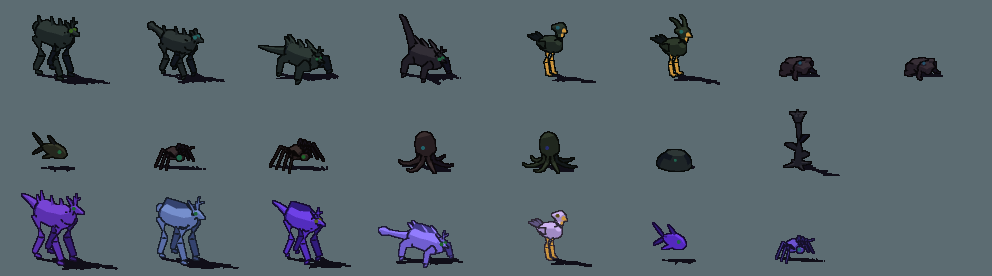
Drawn by the game's own renderer from the genes of eleven founders, one of each type (world seed 3). No retouching.
01 / Built from genes
There are eleven types, from mammals and birds to octopuses, slimes and plants. A type sets the range. The genes decide where in that range each creature falls: how long the body is, how many legs it stands on, whether it has wings, horns or a crest, how large its eyes are, and what colour all of it turns out to be.
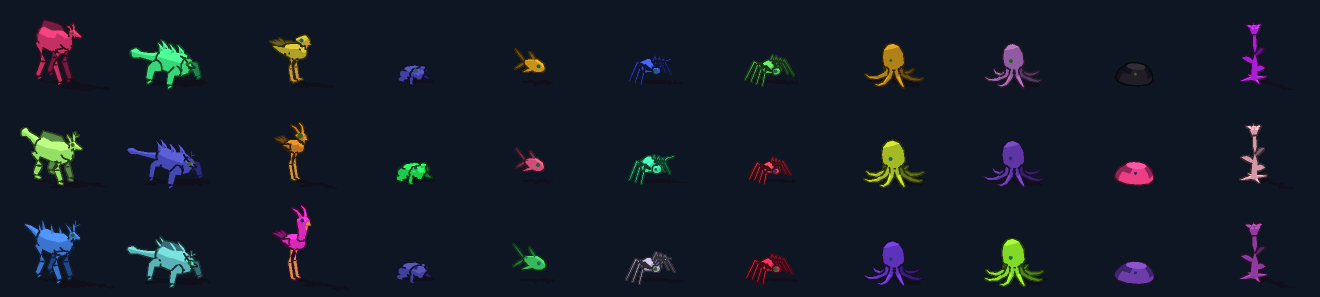
Torso length and depth, fat, frame, neck, the bend of each joint, foot shape, toes and claws. Each is a gene with two alleles behind it.
Leg pairs, wings, fins, tentacles, antennae, horns, dorsal crests, armour plates and tails appear when the genes call for them, and not otherwise.
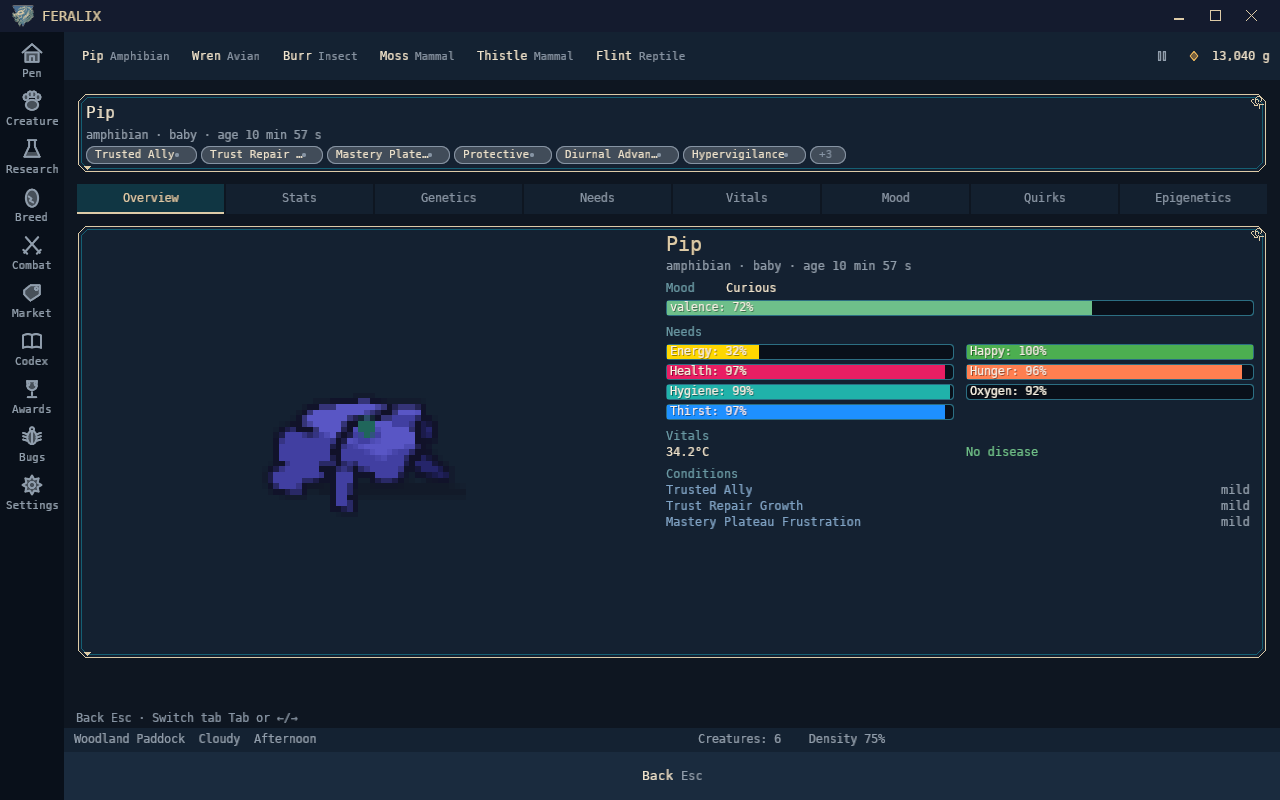
The same genes feed its stats, conditions, temperament and drives. A nervous creature with a heavy jaw is usually both for the same reason.
02 / An inner life
Nobody steers a creature. Each one weighs its own state, in this order, and does what that state calls for.
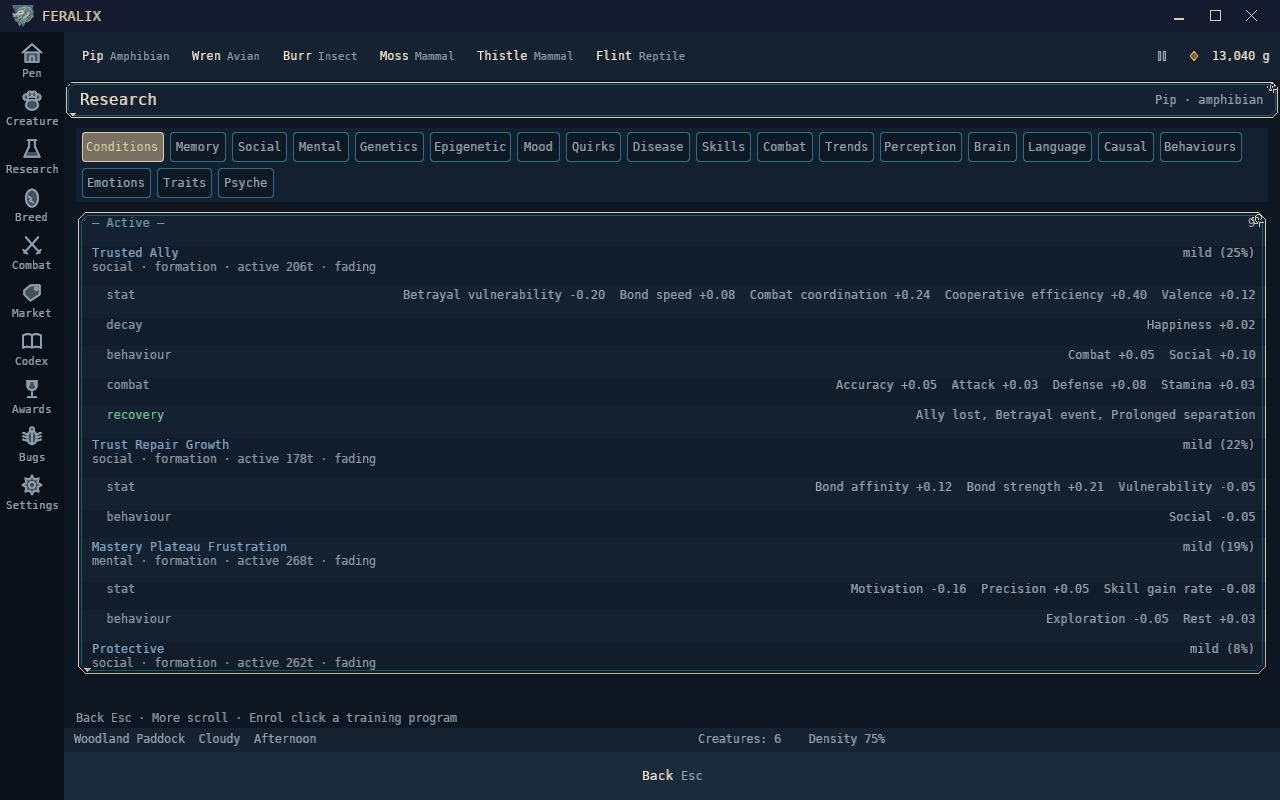
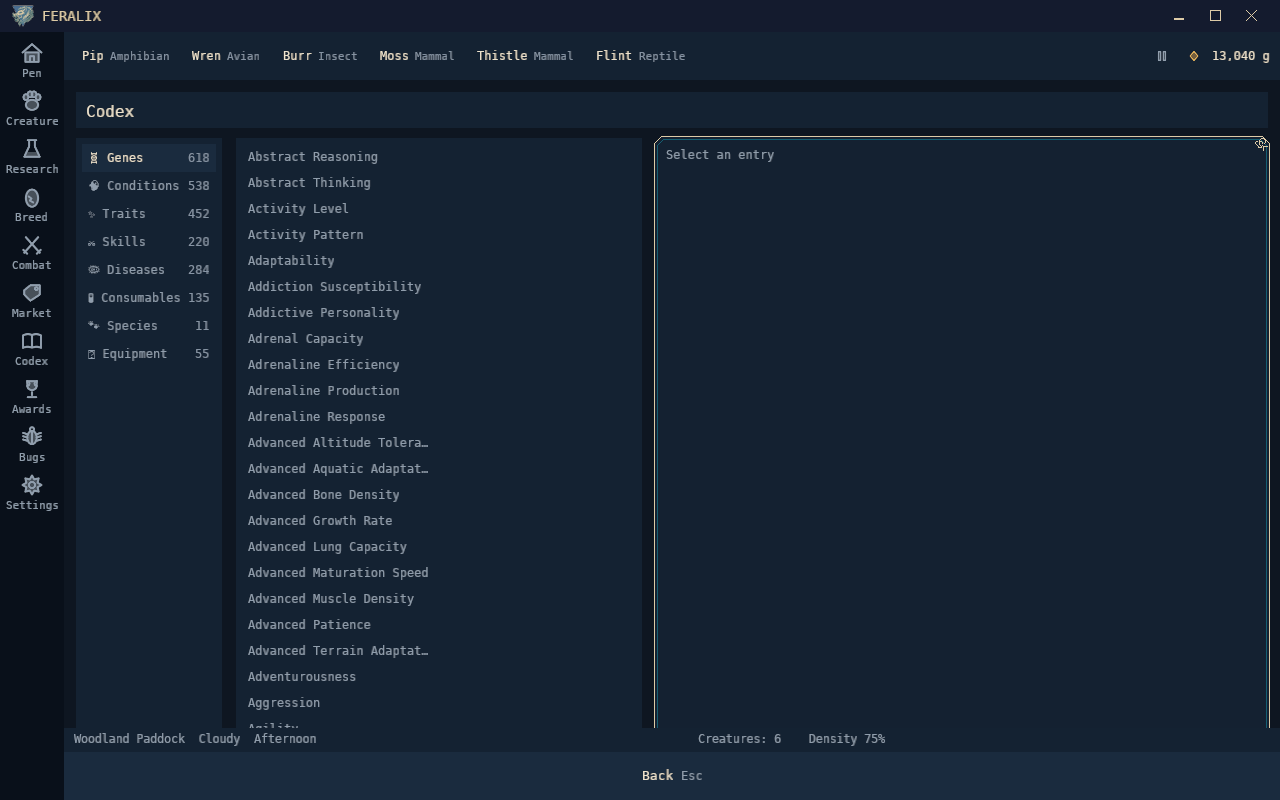
Conditions form from its genes, its surroundings and what has happened to it. There are 538 of them, each with a cost and, now and then, an unexpected benefit. Emotions chain into moods. Rank in the pen runs from alpha to omega, and it shows.
03 / Keeping a pen
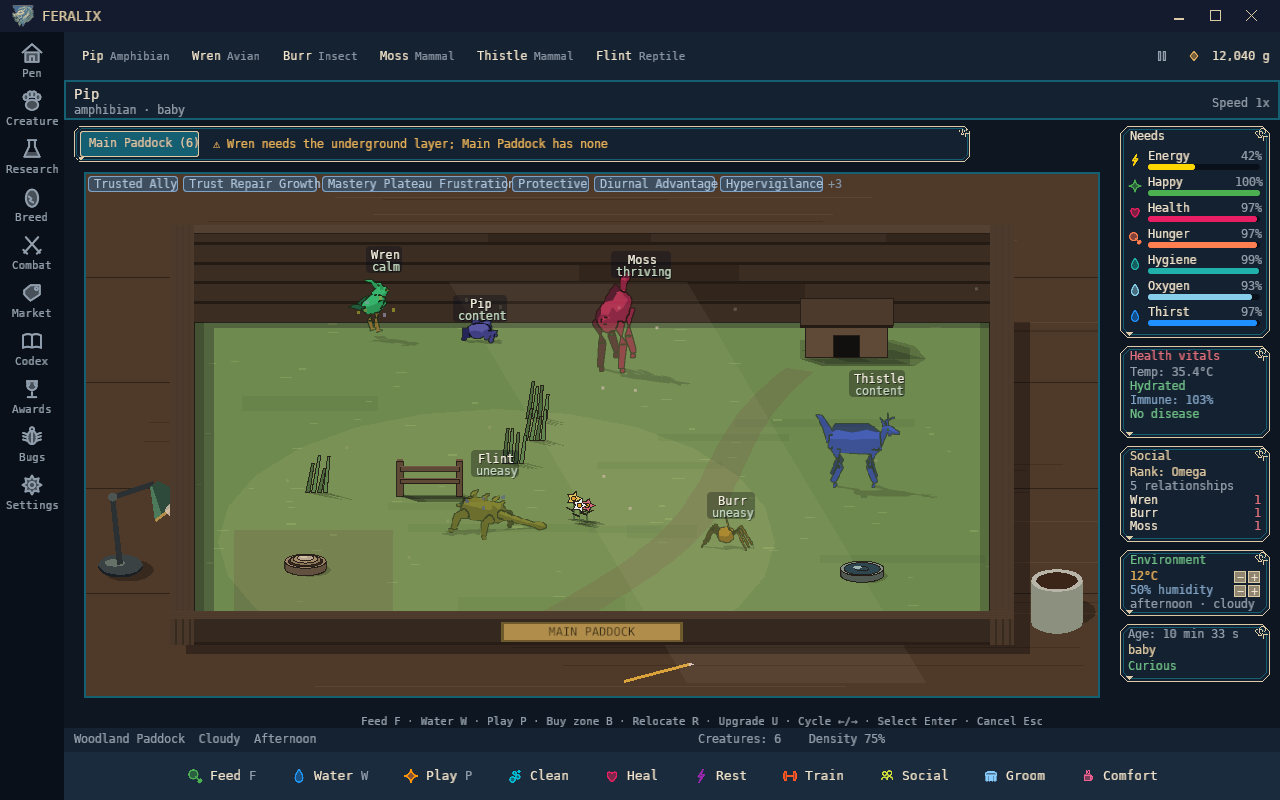
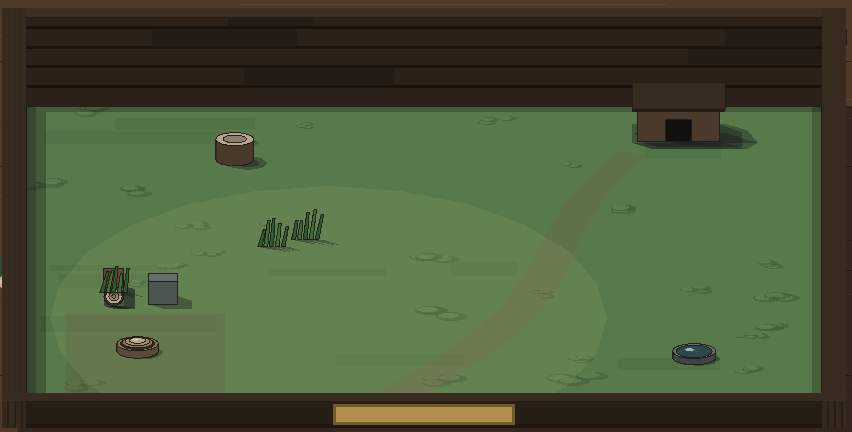
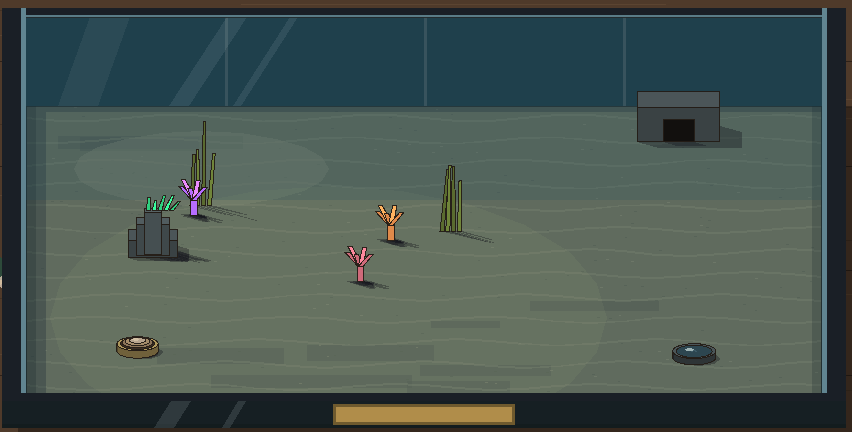
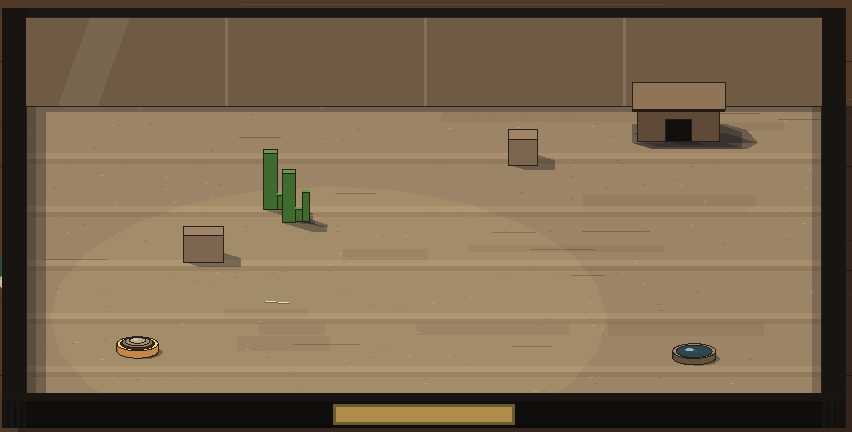
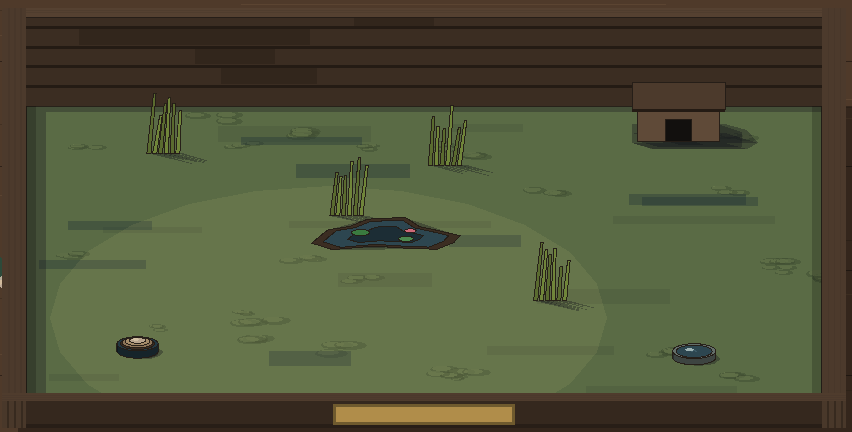
There is no trough. A pen left to itself goes hungry and then thirsty, and the simulation does not soften that. Each type has habitats it suits and habitats it does not; an octopus kept in a paddock is warned about first and suffocates second, which is regrettable and entirely by design.
04 / Breeding
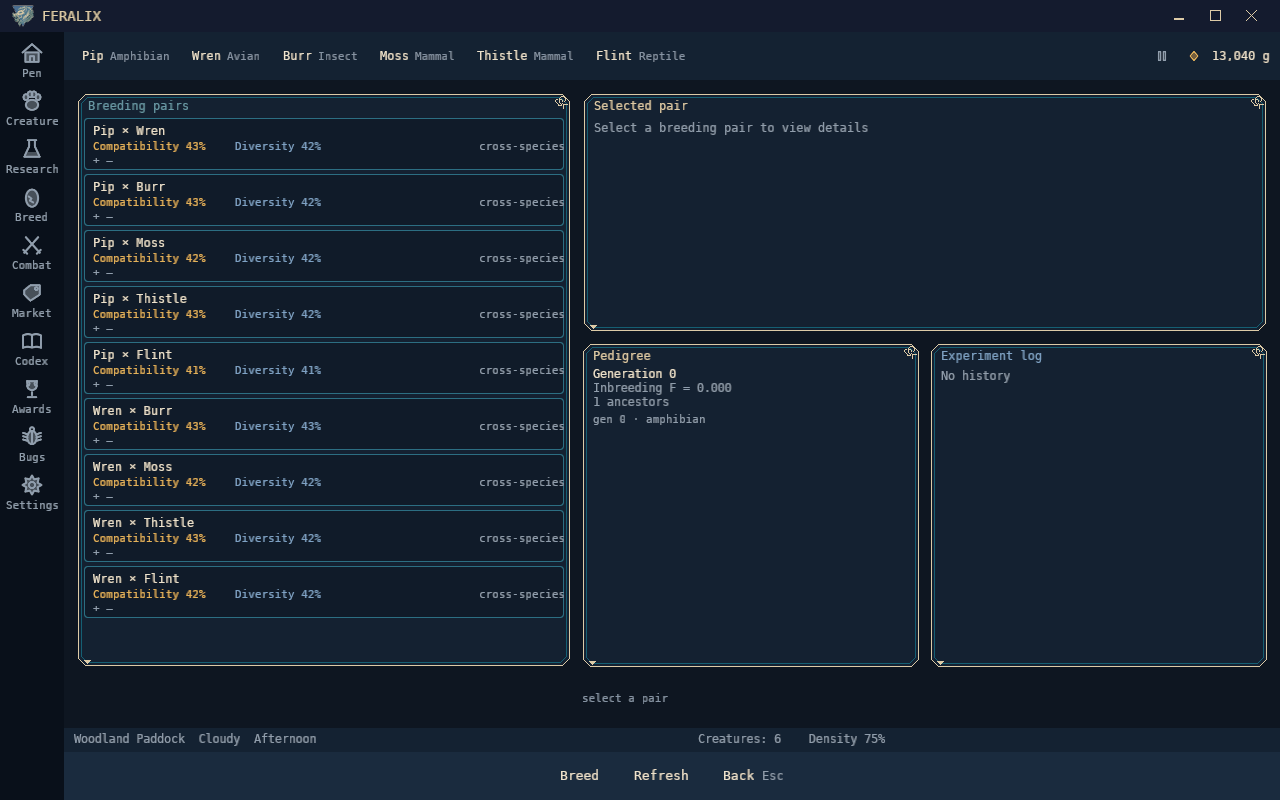
Each parent passes on one copy of every gene. Recessive traits can skip a generation and return. A pedigree keeps count of how closely related a pair is.
Colour is built the way skin, scales and feathers build it: a yellow-to-red pigment layer over a blue-to-violet structural layer, darkened by melanin. Yellow over blue gives green, as it does in a tree frog. Young therefore look like their parents, and colour can be bred for over generations. A handful of single genes give rarer results: black, pastel, white, and the axanthic blue that two green carriers can produce once in four.
05 / The Pit
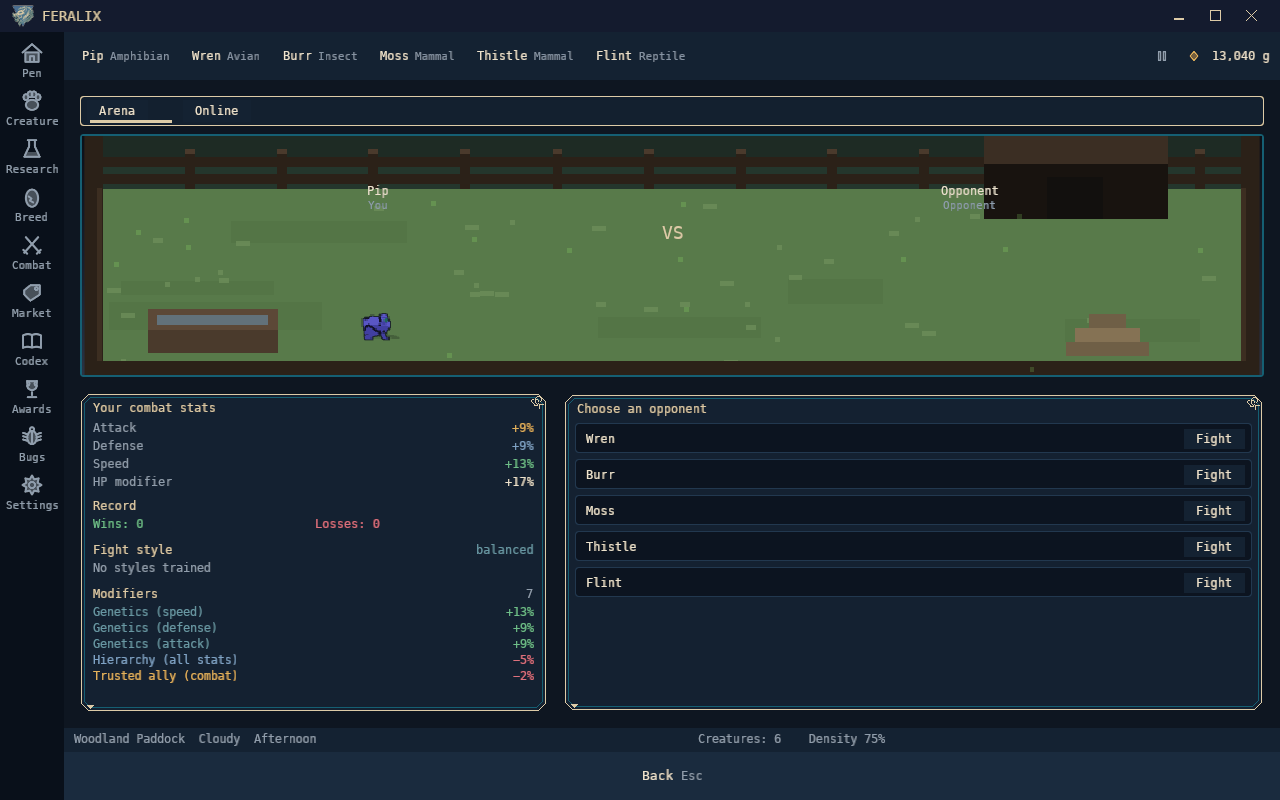
Fights are automatic. The creature chooses every move from its fight style, its genes, its conditions and the skills it has trained. One may only decide whether to send it in.
Every style sets the pace of a fight: an aggressive creature deals more and takes more, a tank deals less and takes less. Six also have rules of their own. An ambush predator hits hardest on its first turn and tires after. A pack hunter grows stronger with each ally. A burrower goes to ground every second turn. A grappler tightens its hold with every unbroken hit. An endurance hunter starts soft and builds. A territorial creature fights hardest at home.
06 / Neighbours
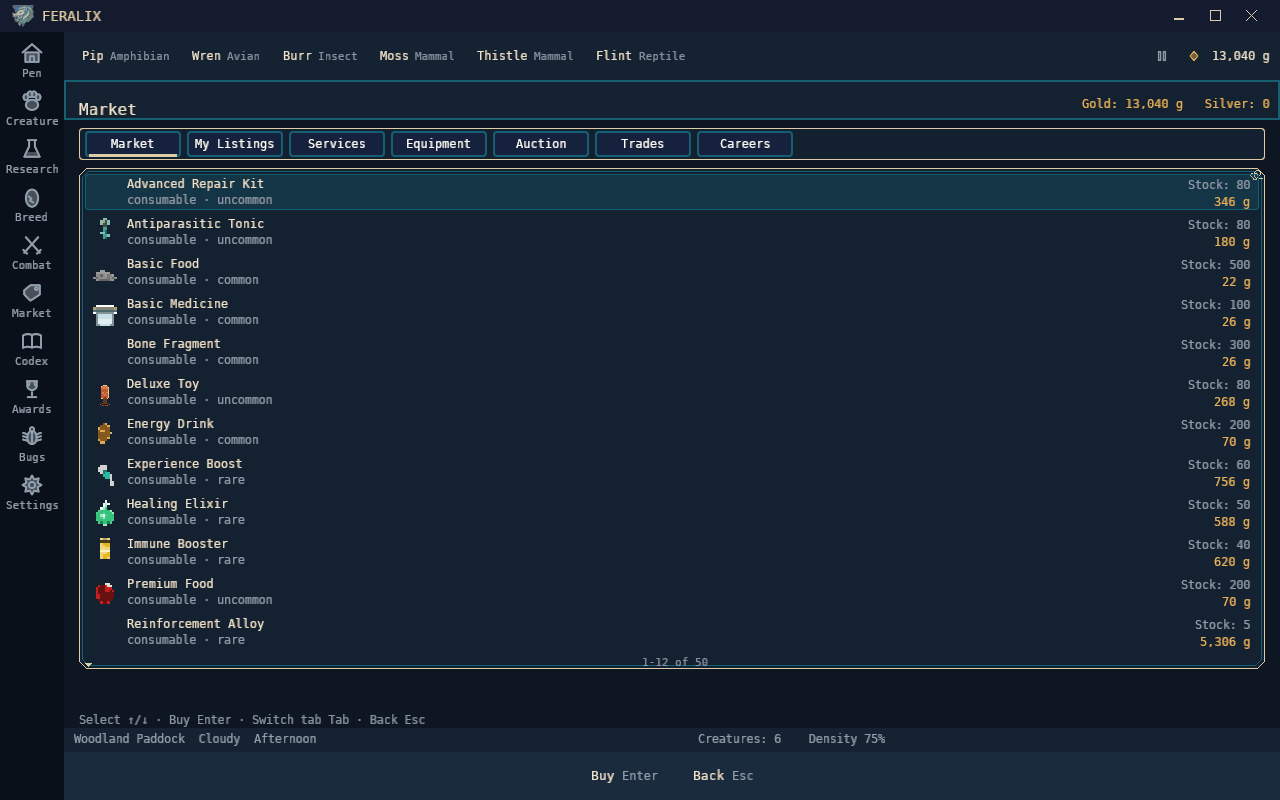
Players on the same network find one another without any setup, and an arena and a market run between them. There are no accounts and no central server; each copy of the game is a peer.
07 / Status
In development. Feralix is being built for Windows and Linux. There is no download, no price and no release date, and this page will say so plainly until there are.
Questions and suggestions are welcome at support@nanonix.net.